Mapping Digital Reel Interactions Through Audit Logs to Tiered Reward Structures and Payment Network Conversions
Written by Taylor Lehmann · Sep 28, 2026
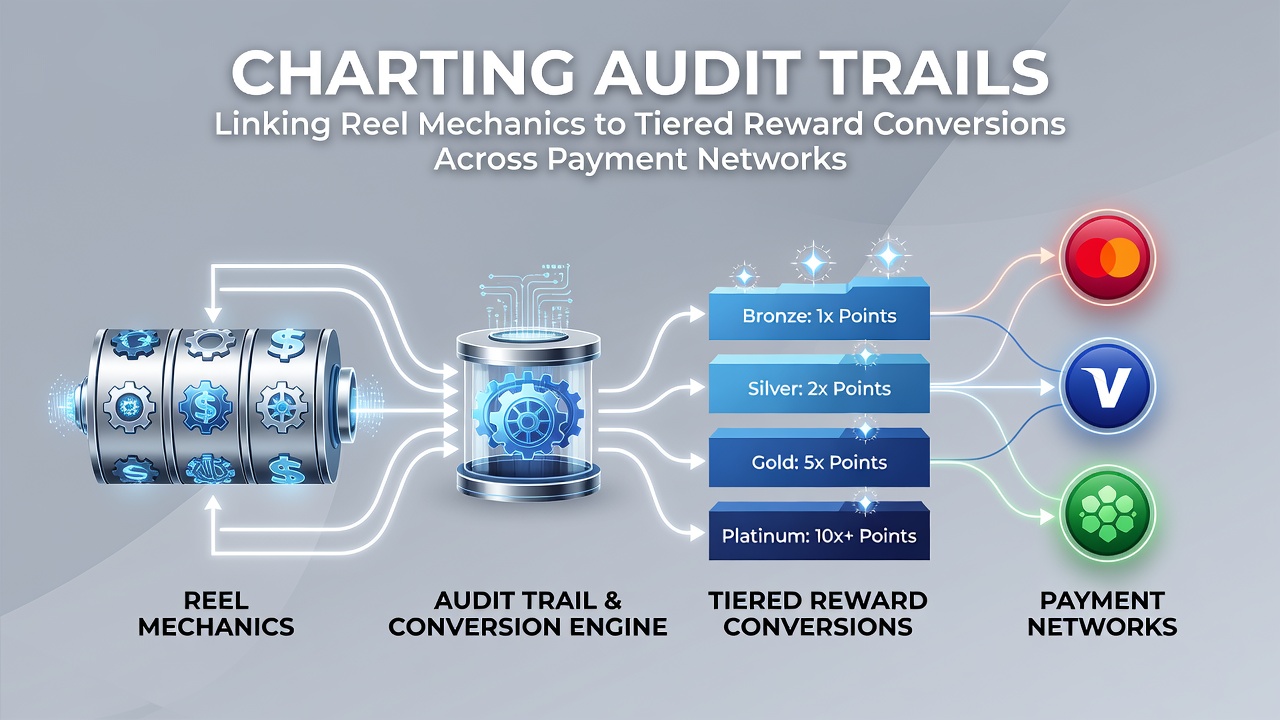
Mapping Digital Reel Interactions Through Audit Logs to Tiered Reward Structures and Payment Network Conversions
Digital gaming platforms maintain detailed audit trails that record every reel spin outcome generated by random number generators, and these logs connect directly to player accounts where tiered reward systems calculate bonuses or loyalty points based on activity volume and frequency. Observers note that such systems operate across multiple jurisdictions where regulators require operators to preserve immutable records of each mechanical event, from symbol alignment to payout determination, while simultaneously tracking how those events translate into reward conversions processed through various financial networks.
Core Components of Reel Audit Systems
Reel mechanics generate sequences of outcomes that platforms log with timestamps, player identifiers, and game parameters including payline configurations plus volatility settings, and these entries form the foundation for later reward calculations. Data from these logs feed into tiered structures where accumulated spin counts or total wagered amounts trigger higher loyalty levels that apply multipliers to future conversions, and the process continues without interruption as long as the platform maintains continuous connectivity to its backend databases. Researchers have documented how operators in several regions integrate these logs with external verification tools to confirm that reel results match the displayed outcomes on player devices, which helps prevent discrepancies during reward distribution phases.
Linking Mechanics to Tiered Conversions
Once a reel spin completes its cycle and registers a win or loss, the audit trail routes the transaction data to the player's loyalty profile where algorithms assess eligibility for tier upgrades or point allocations, and this linkage ensures that reward values reflect actual mechanical performance rather than aggregated estimates. Platforms often apply conversion rules that scale benefits according to current tier status, so a player at an intermediate level receives proportionally larger returns from the same reel activity compared to entry-level accounts, while the entire sequence remains traceable through sequential log entries that regulators can review on demand. Studies from academic institutions such as those published through the University of Nevada have examined these connections and shown that precise mapping reduces errors in reward calculations across high-volume sessions.
Integration Across Payment Networks
Payment networks handle the final stage where converted rewards move from platform accounts to external processors, and audit trails extend into these channels by recording authorization codes, settlement times, and currency adjustments that occur during transfers. Operators synchronize reel-derived reward data with network protocols to confirm that amounts match before funds leave the system, which creates a continuous chain from initial spin to completed payout. In September 2026 several operators updated their synchronization protocols to accommodate faster settlement standards introduced by major card networks, allowing tiered rewards to reach player accounts with reduced latency while preserving full traceability through each intermediary step.

Regulatory and Technical Requirements
Technical standards mandate that audit systems retain reel event data for minimum periods specified by oversight bodies, and these records must remain accessible for independent audits that verify both mechanical integrity and reward accuracy. European regulators through the European Commission have outlined frameworks requiring operators to demonstrate end-to-end traceability from game mechanics to financial outputs, which includes testing how tiered calculations respond to different payment network conditions such as currency fluctuations or processing delays. Platforms that meet these specifications typically deploy redundant logging servers and encrypted transmission channels to protect data integrity across the entire pathway.
Operational Examples in Practice
One documented case involved a multi-jurisdictional operator that aligned its reel logging format with specific payment processor requirements, resulting in streamlined conversions where tier upgrades applied automatically once spin thresholds were confirmed through the audit trail. Another instance showed how platforms adjusted their reward algorithms after network upgrades introduced new data fields, ensuring that historical reel records continued to map correctly to updated tier benefits without manual intervention. These adjustments demonstrate the ongoing need for flexible yet secure audit architectures that accommodate both mechanical game changes and financial network evolutions.
Conclusion
Audit trails serve as the connective tissue between reel mechanics, tiered reward systems, and payment network operations by preserving verifiable records at every stage of the process. Operators continue to refine these systems to satisfy technical standards and regulatory expectations while supporting efficient reward delivery across diverse financial channels. The structure remains essential for maintaining transparency and accuracy in environments where reel outcomes directly influence player benefits processed through multiple networks.