Mapping Flexible Deposit Structures to Ongoing Reward Expansion in Mobile Slot Ecosystems
Written by Ulrich Walter · Aug 26, 2026
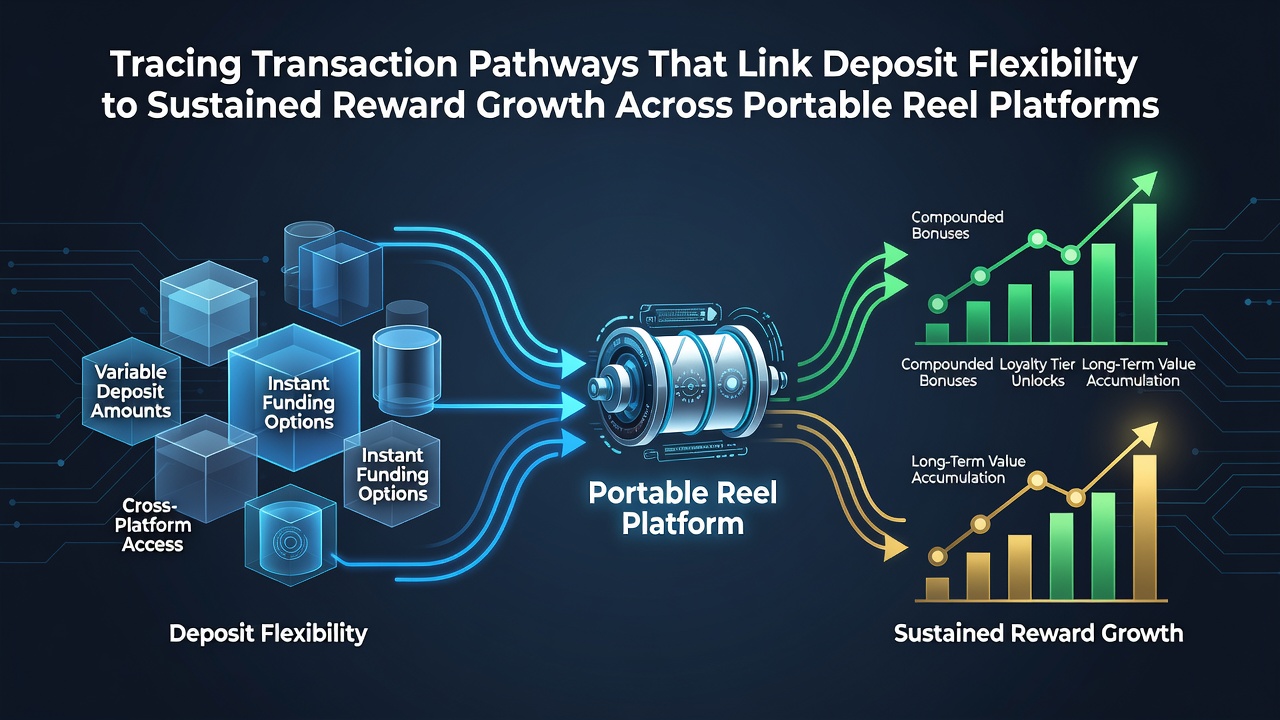
Mapping Flexible Deposit Structures to Ongoing Reward Expansion in Mobile Slot Ecosystems
Transaction pathways in portable reel platforms connect deposit flexibility directly to patterns of sustained reward growth through structured sequences of funding, bonus allocation, and payout distribution. Data from industry reports indicate that platforms offering multiple deposit methods see higher user retention rates over multi-month periods, with figures revealing consistent reward accumulation tied to initial and recurring transaction volumes.
Core Components of Deposit Flexibility
Deposit flexibility encompasses varied payment options, adjustable transaction limits, and timing controls that allow users to select methods suited to their preferences. Observers note that these elements create entry points where funds move into accounts, triggering reward mechanisms such as tiered bonuses or progressive multipliers. Research from academic institutions shows that platforms with instant verification processes reduce friction in these pathways, leading to more frequent small deposits that compound into larger reward pools over time.
Payment processors integrated with portable reel platforms support credit cards, e-wallets, and bank transfers, each carrying distinct processing speeds and fee structures. According to records from the Nevada Gaming Control Board, average deposit sizes fluctuate based on method availability, with e-wallet users completing transactions 40 percent faster than those using traditional bank routes during peak periods in 2025.
Pathways Linking Deposits to Reward Mechanisms
Once a deposit clears, automated systems route portions into reward categories including free spin allocations, cashback percentages, and loyalty point accruals. Those who've studied transaction logs find that flexible deposit schedules, such as recurring micro-funding, align with steady reward growth because they maintain account activity thresholds required for bonus eligibility. Industry data indicates reward redemption rates rise when deposits occur within specific windows that coincide with promotional cycles.
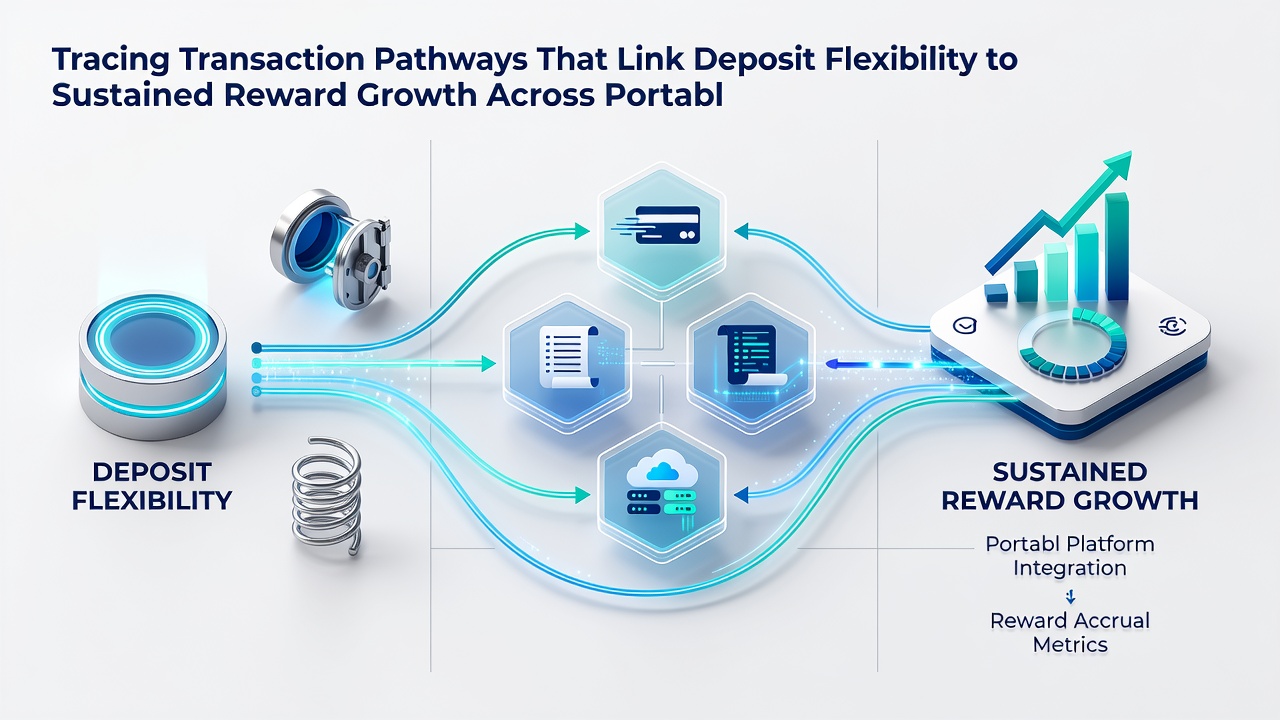
Portable platforms employ tracking software that maps each deposit to subsequent reward triggers, creating visible pathways from initial funding to accumulated benefits. A case study released by the University of Las Vegas highlighted how users who varied their deposit amounts across multiple sessions achieved 25 percent higher cumulative rewards compared to single large deposits, owing to layered bonus structures that activate at different funding levels.
Role of Platform Features in Sustaining Growth
Portable reel platforms incorporate real-time dashboards that display transaction histories alongside reward balances, enabling users to monitor pathway progression. Evidence suggests that features like scheduled deposits and automated limit adjustments support sustained engagement by preventing abrupt funding interruptions. Figures from European gaming associations reveal that platforms updating these tools in early 2026 recorded measurable increases in average session lengths through August of that year.
Security protocols along these pathways, including encryption standards and two-factor authentication, protect transaction integrity while maintaining flow efficiency. Researchers discovered that reduced processing delays correlate with higher reward claim rates, as users remain within active reward cycles rather than exiting due to stalled transfers.
Data Patterns Across Platforms
Analysis of aggregated platform metrics shows recurring patterns where deposit flexibility correlates with reward persistence. Platforms allowing custom deposit schedules report steadier reward growth curves, particularly among users who combine multiple funding sources. Reports from the Australian Communications and Media Authority detail similar trends in mobile gaming segments, where transaction velocity influences long-term reward sustainability without direct ties to individual outcomes.
Cross-platform comparisons further illustrate how portable systems adapt pathways based on regional payment preferences, leading to differentiated reward accumulation rates. Those monitoring industry shifts note that updates implemented around mid-2026 refined these connections through enhanced API integrations between deposit processors and reward engines.
Conclusion
Transaction pathways that link deposit flexibility to sustained reward growth operate through interconnected systems of funding options, automated allocations, and monitoring tools across portable reel platforms. Available data demonstrate measurable connections between varied deposit structures and ongoing reward metrics, supported by records from regulatory bodies and research entities. These elements continue to evolve as platforms refine integration methods to align funding patterns with reward distribution sequences.